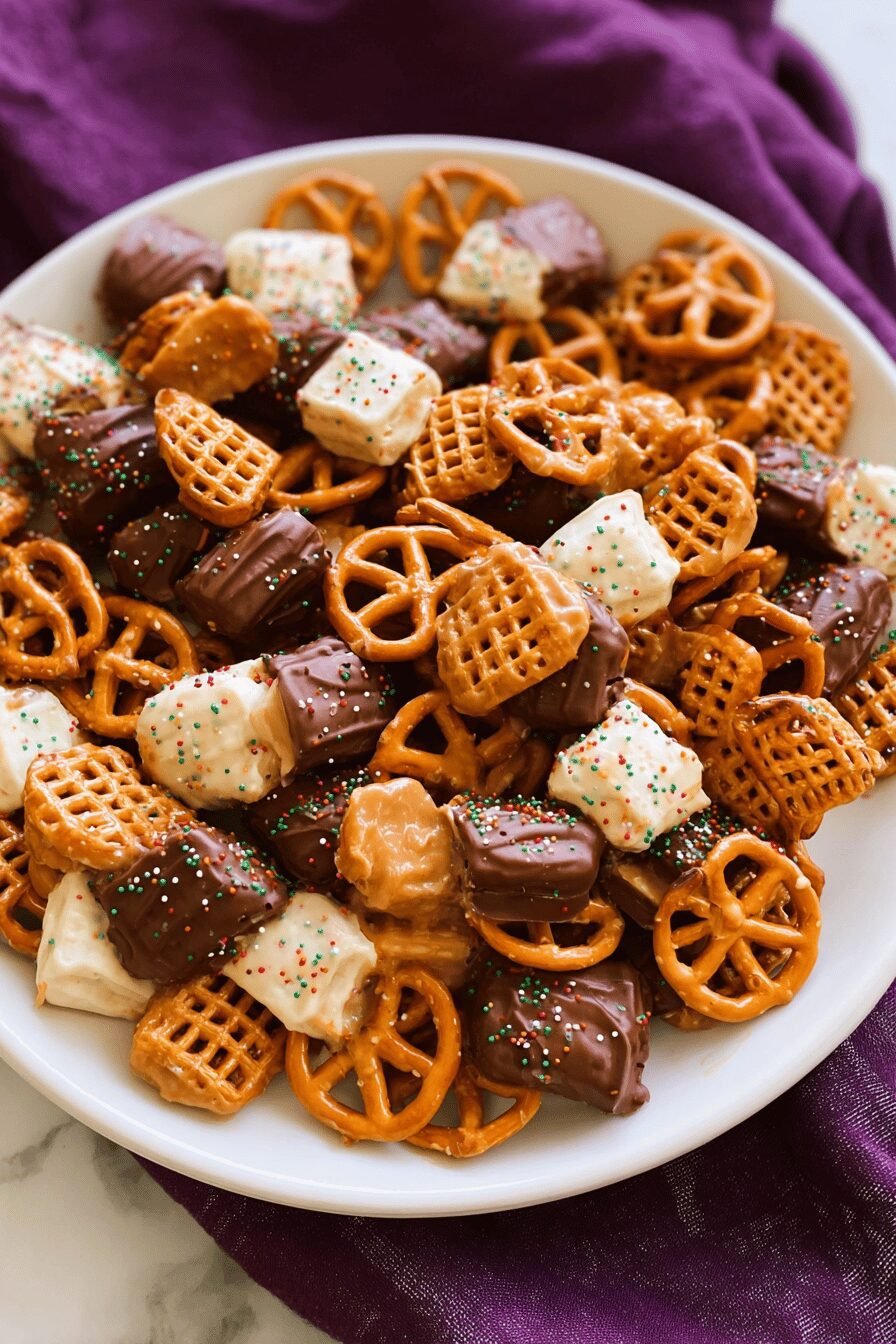
Why Your Peanut Butter Pretzel Snacks Crumble (It's the PB!)
There's nothing quite like the irresistible combination of sweet, salty, and crunchy found in peanut butter pretzels. Whether you're a fan of dipping crisp pretzel rods into creamy peanut butter, or indulging in homemade no-bake bars studded with crunchy pretzel bits, these treats are a true delight. However, a common frustration often arises: why do these seemingly simple snacks sometimes turn into a crumbly mess, falling apart before you can even take a bite? The answer, surprisingly often, lies not just in your technique, but in the very peanut butter you choose.
The Unseen Culprit: Your Choice of Peanut Butter
Many home bakers and snack enthusiasts might not realize the significant impact that different types of peanut butter can have on the final texture and stability of their creations. When it comes to achieving that perfect, cohesive bite in your peanut butter pretzel snacks, the distinction between "natural" and "no-stir" peanut butter is absolutely critical. This isn't just a matter of preference; it's a fundamental difference in formulation that dictates how well your ingredients bind together.
Traditional natural peanut butters are typically made with just peanuts and sometimes a pinch of salt. While wonderfully wholesome, their natural oils tend to separate from the peanut solids, leaving a layer of oil on top of the jar. This necessitates a good stir before use, and even then, these varieties often remain much runnier and less emulsified than their "no-stir" counterparts. This inherent fluidity and tendency for oil separation make them particularly unsuitable for recipes where binding and setting are paramount.
Imagine trying to glue small pieces of pretzels together with a very thin, oily paste – it simply won't hold. The excess oil and lack of emulsification in natural peanut butter prevent it from properly adhering to other ingredients, leading directly to that disappointing crumbly texture in your finished pretzel snacks. It struggles to form a stable matrix that can encapsulate and bind crunchy elements like pretzels, resulting in a fragile structure that easily disintegrates.
Conversely, "no-stir" peanut butters (often labeled as "creamy" or containing palm oil or other stabilizers to prevent separation) are your secret weapon for success. Brands like Jif or Skippy are classic examples of this type. These varieties are formulated to remain consistently creamy and emulsified throughout the jar, eliminating the need for stirring. Their thicker, more stable consistency acts as a superior binding agent, effectively holding together all the components of your peanut butter pretzel creations. The added emulsifiers help create a cohesive, less oily base that sets up beautifully, whether you're making simple dipped pretzels or intricate no-bake bars.
For a deeper dive into selecting the right spread, check out our guide on No-Stir Peanut Butter: Key to Perfect Pretzel Snacks, where we explore the science behind these differences and help you choose wisely.
Beyond the Spread: The Science of Snack Cohesion
While the type of peanut butter is arguably the most significant factor, the overall success of your peanut butter pretzel snacks also hinges on understanding the interplay of other ingredients and structural choices. Creating a truly cohesive snack goes beyond just the primary binder.
The Role of Fats and Sweeteners in Binding
In many no-bake peanut butter-based recipes, such as those that might form a base for pretzel snacks, additional fats and sweeteners play crucial supporting roles in achieving that desirable sliceable or bite-sized consistency:
- Unsalted Butter: Beyond adding a rich flavor, butter is essential for helping the peanut butter layer set correctly. When melted and combined with peanut butter, it contributes to a smoother, more pliable mixture that firms up beautifully when chilled. Its fat content also lends a melt-in-your-mouth texture, enhancing the overall sensory experience of your peanut butter pretzels.
- Powdered Sugar: Not just for sweetness, powdered sugar (also known as confectioners' sugar) is a powerful binding agent. Its fine texture dissolves easily and, when mixed into the peanut butter and butter, creates a denser, more structured paste. This fine sugar helps to absorb any residual moisture or oil, further solidifying the mixture and ensuring the ingredients bind properly, preventing crumbling. Granulated sugar, with its larger crystals, would create a grainy texture and wouldn't bind as effectively.
These components work in synergy with your chosen no-stir peanut butter to form a robust matrix that can hold crunchy elements like pretzels without falling apart.
The Foundation: Choosing Your Pretzel Base
The type and preparation of your pretzels also contribute to the overall stability of your snack. For creations like no-bake bars, where pretzels are incorporated into a mixture, texture and size matter:
- Crushed Pretzels: If you're mixing pretzels into a peanut butter base, opting for coarsely crushed pretzels rather than fine crumbs offers a better texture. Larger pieces provide more structural integrity and a satisfying crunch without dissolving into the mixture.
- Pretzel Shapes: For dipping, mini pretzel twists offer a good surface area for coating, while pretzel rods provide a convenient handle and a consistent crunch. Consider the overall balance of pretzel-to-peanut butter ratio for optimal stability and taste.
- Salt Content: While not directly related to crumbliness, remember that pretzels inherently bring salt to the party. Balance this with the sweetness of your peanut butter mixture to create a harmonious flavor profile that doesn't overwhelm.
And if you're looking to experiment with different bases, don't miss our insights in Beyond Graham: Best Crispy Pretzel Combos for Peanut Butter, offering creative ideas for your next snack masterpiece.
Crafting Perfect Peanut Butter Pretzel Treats: Tips for Success
Achieving snack perfection with your peanut butter pretzels involves a few key steps that go beyond just ingredient selection. These practical tips will help ensure your creations are firm, delicious, and hold together beautifully.
Temperature Matters
The temperature of your ingredients, especially the butter and peanut butter, significantly impacts the consistency of your mixture. For best results:
- Soften Butter: Allow unsalted butter to come to room temperature so it's easily workable, but not melted and oily. This ensures it creams smoothly with the peanut butter and powdered sugar.
- Slightly Warm Peanut Butter: If your no-stir peanut butter is very firm, you can gently warm it in the microwave for a few seconds (10-15 seconds at a time) to make it more pliable. Be careful not to overheat it, as this can separate the oils and solids, negating its "no-stir" advantage. A slightly warmed peanut butter blends more easily and creates a smoother base.
Proportions and Mixing
Accuracy in your recipe's ratios is paramount for proper binding:
- Measure Accurately: Use proper measuring cups and spoons. Too much liquid or too little powdered sugar can throw off the balance, leading to a runny or crumbly mix.
- Mix Thoroughly: Ensure all ingredients are thoroughly combined. When making a no-bake base, mix the peanut butter, butter, and powdered sugar until a uniform, thick paste forms. This ensures even distribution of the binding agents and prevents pockets of unmixed ingredients that could compromise the snack's structure. If adding crushed pretzels, fold them in gently but completely, ensuring they are well coated by the mixture.
Setting and Storage
The final steps are just as important for structural integrity:
- Chill Thoroughly: Most peanut butter pretzel snacks, especially no-bake bars or dipped pretzels, require chilling to set. This allows the butter and peanut butter to firm up, solidifying the entire structure. Aim for at least 30 minutes to an hour in the refrigerator, or even longer for larger batches or thicker layers. Patience here will be rewarded with less crumbling.
- Proper Storage: Store your finished peanut butter pretzel snacks in an airtight container in the refrigerator. This not only maintains their firm texture but also keeps them fresh. If left at room temperature, especially in warmer climates, the fats can soften, making the snacks prone to crumbling or becoming greasy.
- Creative Variations: Don't be afraid to experiment! Consider a chocolate coating (melted semi-sweet or milk chocolate chips with a touch of peanut butter for creaminess, as mentioned in our reference) over your pretzel bars for an extra layer of flavor and stability. Or, for a quick fix, simply dip pretzel rods into your preferred no-stir peanut butter and chill briefly.
Common Pitfalls and How to Avoid Them
Understanding what can go wrong helps in preventing those dreaded snack disappointments. Here are the most common reasons why your peanut butter pretzel creations might crumble, and how to steer clear of them:
- Using Natural Peanut Butter: As discussed, this is the #1 culprit. Always opt for a "no-stir" peanut butter to ensure proper emulsification and binding.
- Insufficient Binder: Not enough powdered sugar or butter in the mixture can result in a loose, dry texture that struggles to hold together. Stick to recipe measurements or adjust slightly if your peanut butter is unusually oily.
- Improper Chilling: Rushing the chilling process means the fats haven't had enough time to solidify, leaving your snacks soft and prone to falling apart. Give them ample time in the fridge.
- Too Many Add-ins (Pretzels): While we love crunch, an excessive amount of crushed pretzels relative to the peanut butter mixture can overwhelm the binder, making the snack too dry and brittle. Find a good balance where every pretzel piece is adequately coated.
- Overheating Peanut Butter: If you warm your no-stir peanut butter too much, it can cause the oils to separate, essentially turning it into a less effective binder, similar to natural peanut butter. Warm gently, just enough to soften.
Conclusion
Crafting perfect peanut butter pretzel snacks that stand up to every bite doesn't have to be a mystery. The secret, as we've uncovered, largely hinges on the foundational ingredient: your peanut butter. By choosing a reliable "no-stir" variety, meticulously balancing your ingredients, and paying attention to crucial steps like chilling, you can transform your snack-making experience. Say goodbye to crumbly catastrophes and hello to cohesive, delicious treats that celebrate the timeless pairing of peanut butter and pretzels. With these insights, you're well-equipped to create irresistible snacks that will impress friends, delight family, and satisfy your own sweet and salty cravings every single time.
