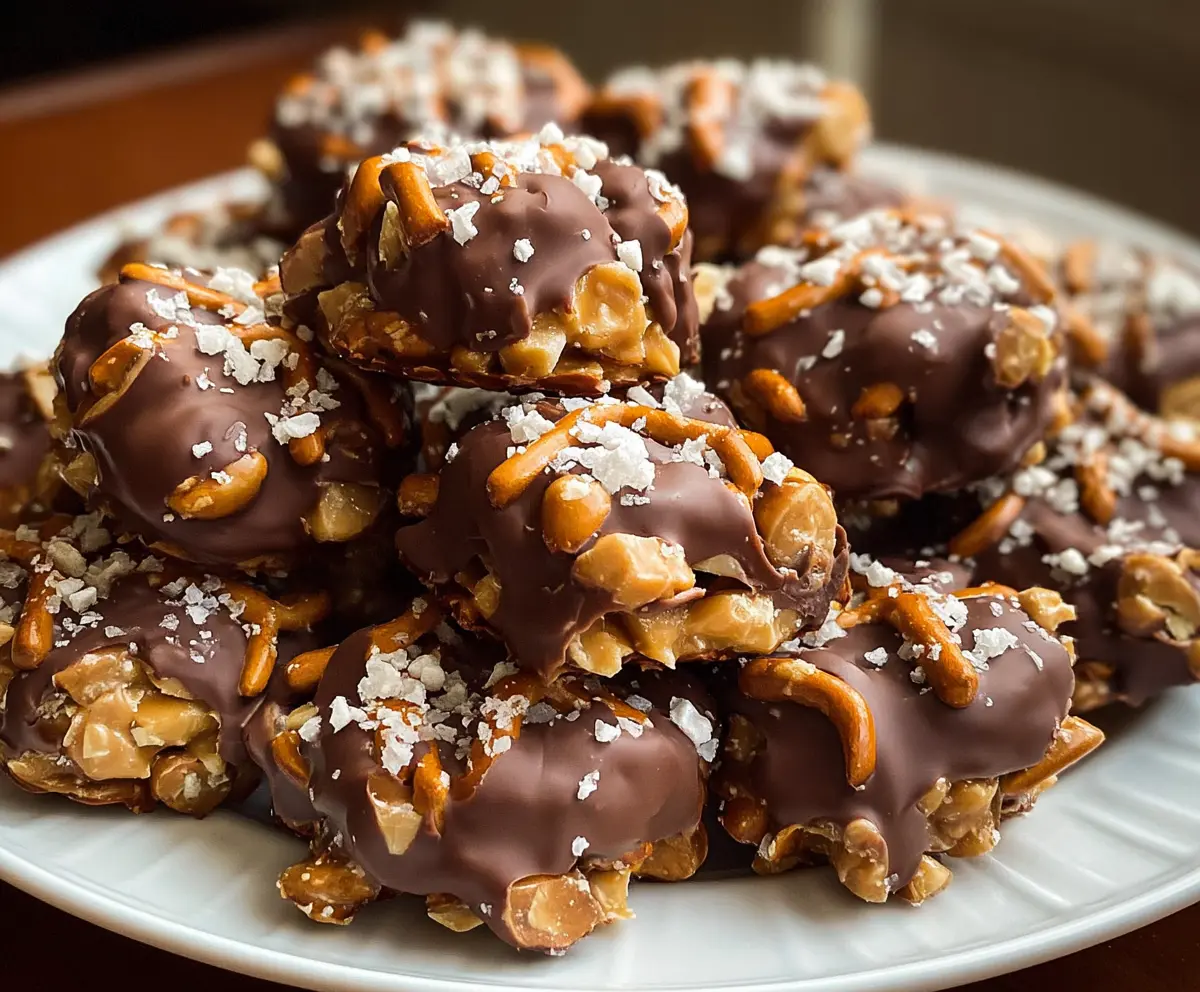
The Unsung Hero: Why No-Stir Peanut Butter is the Secret to Perfect Pretzel Snacks
There are few snack pairings as universally adored as the combination of salty, crunchy pretzels and rich, creamy peanut butter. From simple smeared pretzels to elaborate chocolate-dipped delights, peanut butter pretzels have cemented their place as a beloved treat. But while the concept seems straightforward, many home bakers and snack enthusiasts encounter a common frustration: crumbly, messy, or overly oily peanut butter that just doesn't hold its form, especially when trying to create those picture-perfect, store-quality bites. The good news? The key to unlocking consistently perfect peanut butter pretzels lies in one often-overlooked ingredient choice: no-stir peanut butter.
This isn't just a preference; it's a fundamental principle that ensures your peanut butter base achieves the right creamy texture, binds effectively, and prevents those disappointing crumbly outcomes. Whether you're dipping, sandwiching, or crafting more complex pretzel-infused bars, understanding the science behind your peanut butter choice will revolutionize your snack game.
The Science of Smooth: Unpacking No-Stir vs. Natural Peanut Butter
The culinary world often celebrates "natural" ingredients, and natural peanut butter certainly has its place in healthy eating. However, when it comes to no-bake applications like crafting delicious peanut butter pretzels, natural peanut butter can quickly become your biggest enemy. Why?
The primary difference lies in their composition and processing. Most natural peanut butter varieties are made simply from roasted peanuts and salt, with no added oils or emulsifiers. This minimalist approach means that over time, the natural oils separate from the ground peanuts, rising to the top of the jar and leaving a dense, dry peanut paste at the bottom. While a good stir can temporarily recombine them, the mixture remains less stable and significantly runnier compared to its no-stir counterpart.
No-stir peanut butter, on the other hand, typically includes a small amount of fully hydrogenated vegetable oil (such as soybean or rapeseed oil). This additive acts as a stabilizer, preventing the oil from separating and maintaining a consistently emulsified, creamy texture from the first scoop to the last. Brands like Jif or Skippy are classic examples of no-stir options.
For your peanut butter pretzels, this distinction is critical. A runny, oil-separated natural peanut butter will:
- Struggle to bind other ingredients, leading to a crumbly, unholdable consistency.
- Leach oil, making your pretzels greasy and potentially soggy.
- Fail to set properly, resulting in a sticky, messy snack that doesn't hold its shape.
Conversely, the stable, thick, and creamy texture of no-stir peanut butter provides the essential foundation. It allows for a smooth, homogenous mixture that can be easily spread, piped, or formed, and crucially, will set firmly when chilled. This foundational understanding is also key to preventing common pitfalls, as we explore in depth in Why Your Peanut Butter Pretzel Snacks Crumble (It's the PB!).
Crafting Your Ideal Peanut Butter Pretzel Snacks: Beyond the Spread
With no-stir peanut butter as your base, the possibilities for creating spectacular peanut butter pretzels expand exponentially. While the reference context highlights no-bake bars, the principles of achieving a stable, creamy peanut butter layer are perfectly transferable to pretzel-focused snacks. Here's how to apply these insights to various pretzel snack formats:
1. The Classic Peanut Butter Pretzel Sandwich
Perhaps the simplest form, but elevated by the right peanut butter. Take two mini pretzel twists or squares, and generously spread a thick layer of creamy no-stir peanut butter between them. The key here is the peanut butter's ability to hold its shape without oozing, providing a satisfyingly substantial filling that contrasts beautifully with the pretzel's crunch.
- Pro Tip: For an extra special touch, lightly chill the assembled sandwiches for 10-15 minutes before serving. This firms up the peanut butter, making them less messy and enhancing the textural contrast.
2. Decadent Dipped Peanut Butter Pretzels
This is where no-stir peanut butter truly shines. To create a peanut butter coating that sets firm and smooth, you'll need a simple mixture:
- No-Stir Peanut Butter: The star of the show, providing stability.
- Melted Unsalted Butter: This helps the peanut butter mixture achieve a sliceable (or dippable) consistency and contributes to that melt-in-your-mouth texture.
- Powdered Sugar: Beyond adding sweetness, powdered sugar is crucial for binding the ingredients, ensuring the coating sets properly and isn't too soft or sticky.
Gently melt the unsalted butter, then combine it with the no-stir peanut butter and powdered sugar until smooth. Dip your favorite pretzels (sticks, twists, or nuggets work well) into this mixture, letting any excess drip off. Place them on parchment paper and chill until firm. Once set, these dipped treats offer a delightful contrast of the crunchy pretzel and the firm, sweet peanut butter coating.
3. Pretzel-Crust Peanut Butter Bars (with a Twist)
Taking inspiration from the no-bake bars, you can substitute traditional graham cracker crumbs with crushed pretzels for a unique salty-sweet crust. Combine finely crushed pretzels with melted butter for your base. Press this firmly into a pan. For the peanut butter layer, follow a similar mixture to the dipped pretzels (no-stir PB, melted butter, powdered sugar) and spread it over the pretzel crust. Finish with a melted chocolate topping (chocolate chips melted with a bit of no-stir peanut butter for a smoother cut) and chill until firm. The no-stir peanut butter ensures your creamy layer is perfectly set and sliceable.
Beyond the Basics: Elevating Your Peanut Butter Pretzel Game
Once you've mastered the foundational role of no-stir peanut butter, you can start to experiment and personalize your peanut butter pretzels. The consistent texture of no-stir peanut butter makes it an excellent canvas for additional flavors and elements:
- Flavor Infusions: Stir in a dash of vanilla extract, a pinch of cinnamon, or even a touch of flaky sea salt into your peanut butter mixture before chilling. For a spicy kick, a tiny amount of cayenne pepper can be surprisingly delicious.
- Chocolate Varieties: While semi-sweet is classic, consider using milk chocolate for a sweeter profile, dark chocolate for a richer, more intense flavor, or even white chocolate for a different aesthetic. Melting chocolate with a little extra no-stir peanut butter (as mentioned in the reference context) creates a creamier, softer topping that prevents cracking when cut.
- Textural Additions: Before the peanut butter sets, sprinkle on mini chocolate chips, chopped nuts (peanuts, pecans, almonds), toasted coconut flakes, or even a drizzle of caramel. These elements add visual appeal and extra layers of flavor and crunch.
- Pretzel Power: Don't limit yourself to basic pretzel twists. Pretzel rods are fantastic for dipping, while pretzel nuggets or squares are ideal for sandwiching. For a truly unique flavor, consider churro-flavored protein pretzels (like Kindling, as mentioned in the reference) for an Auntie Anne's-esque twist in your bars or dipped snacks. For more ideas on how to incorporate various crispy elements, check out Beyond Graham: Best Crispy Pretzel Combos for Peanut Butter.
Pro Tips for Perfection
- Room Temperature Ingredients: Ensure your no-stir peanut butter and unsalted butter are at room temperature (or slightly softened) before mixing. This helps achieve a smooth, lump-free consistency.
- Don't Rush the Chill: Patience is a virtue when making no-bake treats. Allow ample time for your peanut butter pretzels to chill and set properly in the refrigerator. This is critical for firmness and preventing crumbling.
- Quality Matters: While no-stir is key, choose a brand of peanut butter that you enjoy the taste of. The flavor will be prominent in your snacks.
- Parchment Paper is Your Friend: Always use parchment paper for chilling and storing your treats. It prevents sticking and makes cleanup a breeze.
Conclusion
The journey to creating truly perfect peanut butter pretzels, whether as simple sandwiched bites or sophisticated chocolate-dipped delights, begins and ends with the humble jar of no-stir peanut butter. By understanding its unique properties—its stable emulsion and firm-setting capabilities—you can avoid common pitfalls like crumbling and oil separation. Embrace this kitchen essential, and you'll unlock a world of creamy, crunchy, and irresistibly satisfying peanut butter pretzel snacks that hold their shape beautifully. So go ahead, grab that no-stir peanut butter, and start crafting your next batch of homemade perfection!
